DisplayIt: What We Do
- Andrea Brown

- Apr 21
- 3 min read
Updated: May 6
A Behind-the-Scenes Look at How Branded Environments Are Built
Part of our “Future of Experiential Retail Design” series
This article explores how a full-service design-build approach transforms branded environments—from concept and engineering to fabrication and installation—into scalable, high-performing spaces.
👉 Start here: Understand what a branded environment is
👉 Continued Reading: Learn what makes a retail environment effective
If you’ve watched the video above, you’ve seen what we do.
But what actually goes into creating a branded environment—from concept to completion—and why does it matter?
At DisplayIt Inc., we operate as a full-service design-build partner, meaning we don’t just design spaces—we engineer, fabricate, and install them. That distinction is critical. It’s the difference between an idea that looks good on paper and a space that performs in the real world.
What We Do: More Than Fixtures, More Than Design
At its core, DisplayIt specializes in:
Custom retail displays and fixtures
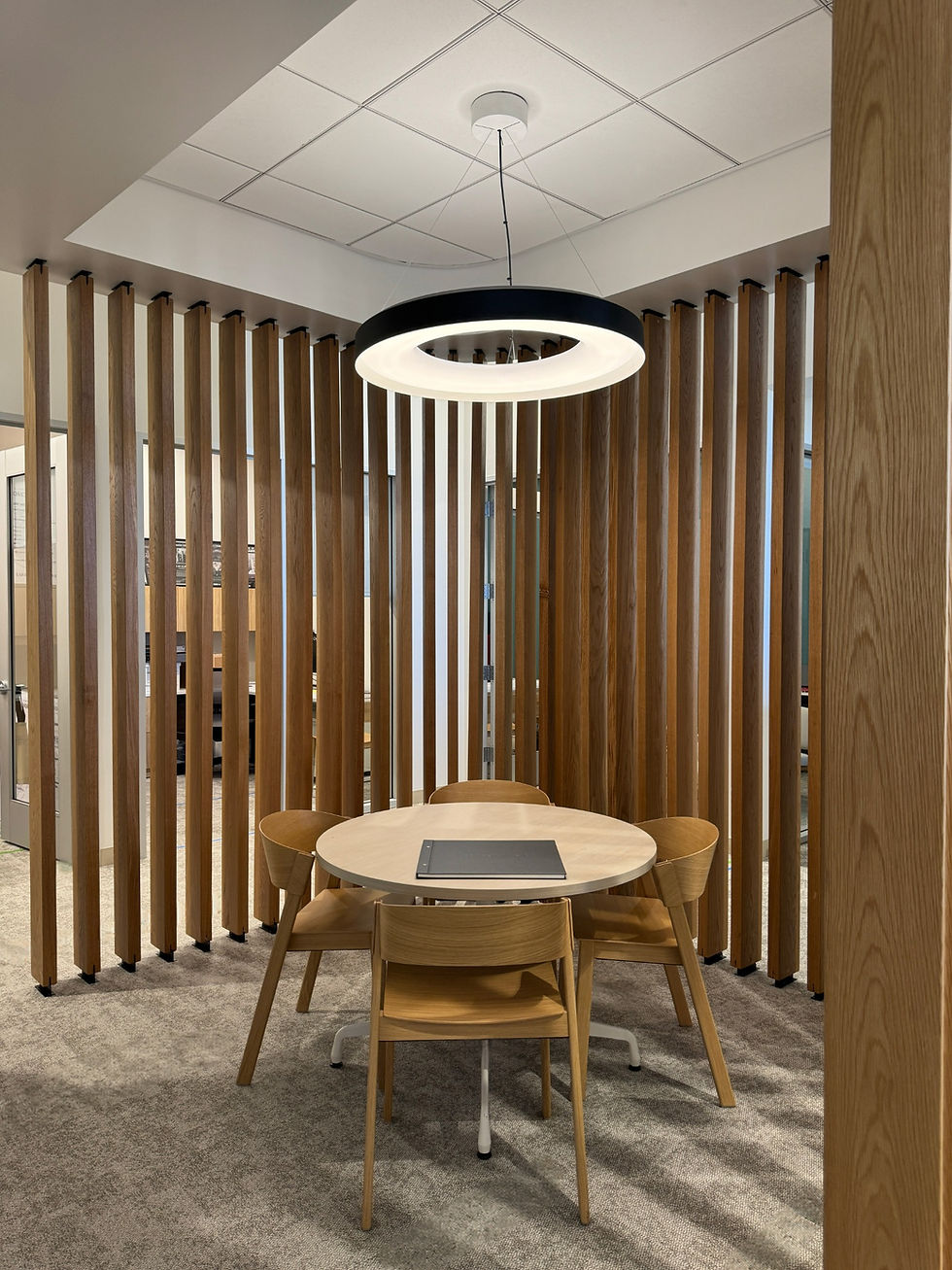
Architectural millwork and metalwork
Trade show exhibits
Restaurant and hospitality environments
Corporate and experiential spaces
But that list doesn’t tell the full story.
We’re not just building components—we’re creating branded environments. These are physical spaces designed to communicate a brand’s identity, influence behavior, and ultimately drive business outcomes.
Because today, a store, a booth, or a workspace isn’t just a place—it’s a brand experience.
Why Design-Build Matters (And Why Most Projects Fail Without It)
Most companies approach projects in silos:
One firm designs it
Another engineers it
Another fabricates it
Another installs it
That fragmentation creates risk—miscommunication, delays, budget overruns, and inconsistent quality.
DisplayIt eliminates that problem by keeping everything under one roof:
Design
Engineering
Fabrication
Installation
Project Management
This end-to-end control allows for:
Faster timelines
Better cost control
Fewer surprises in the field
Consistent execution across locations
It’s why design-build firms consistently deliver more reliable outcomes than traditional multi-vendor approaches.
From Concept to Reality: How It Actually Works
1. Strategy + Design
Every project starts with understanding the brand:
Who is the customer?
What should they feel in the space?
What behaviors are we trying to drive?
From there, ideas are translated into:
Concept sketches
Material selections
Detailed 3D models
This isn’t just about aesthetics—it’s about performance-driven design.
2. Engineering That Makes It Buildable
Great design is meaningless if it can’t be built efficiently.
That’s where engineering comes in:
Structural integrity
Material optimization
Cost efficiency
Install feasibility
Because design and engineering happen together—not separately—decisions are made faster and smarter.
3. In-House Fabrication (Where Most Companies Fall Short)
This is one of the biggest differentiators.
DisplayIt handles fabrication entirely in-house, including:
Carpentry
Metal fabrication
Finishing and coatings
Graphics and lighting integration
Keeping production internal allows for:
Higher quality control
Faster turnaround times
Greater flexibility when challenges arise
It also ensures that what was designed is actually what gets built.
4. Installation That Works in the Real World
Installation is where even well-designed projects can fail.
Real-world conditions—tight timelines, site constraints, coordination with other trades—require expertise.
Because DisplayIt is involved from day one:
Install teams understand the design intent
Field adjustments happen quickly
Projects stay on schedule
This is especially critical for:
Multi-location rollouts
Airports and high-traffic environments
Retail openings with hard deadlines
Where We Work: Industries That Demand Precision
DisplayIt partners with brands across industries, including:
Retail
Restaurants
Healthcare
Corporate workspaces
Trade shows and events
Airports
Each environment comes with its own challenges—compliance, durability, logistics, customer flow—but the goal remains the same: Create a space that performs as well as it looks.
What Makes a Branded Environment Successful?
A successful space isn’t just visually impressive—it’s intentional. It should:
Guide customer movement
Highlight key products or services
Reinforce brand identity
Stand up to real-world use
Be scalable across locations
When done right, a branded environment becomes more than a space—it becomes a business tool.
The Bigger Picture: Why This Matters
Brands invest heavily in digital experiences—but physical environments are where customers:
Interact with products
Form lasting impressions
Make purchasing decisions
That means the built environment has a direct impact on:
Customer engagement
Brand perception
Revenue
DisplayIt exists to bridge that gap—turning ideas into physical experiences that deliver measurable results.
Final Thought
We don’t just build displays. We build environments that:
Tell your story
Support your operations
Scale with your growth
Because at the end of the day, the goal isn’t just to create something that looks good—
It’s to create something that works.

Ready to Work With Us?
Start the conversation at sales@displayitinc.com or use the button below to schedule a call with our team.


I appreciate how you broke down the design build process from strategy to installation. Keeping everything under one roof clearly makes a difference. When creating durable spaces, protecting them from pests is just as important, which is why I recommend a reliable rodent control system to prevent unwanted issues.